
Restoring Gallbladder Health, Bile Flow, and Fat Digestion
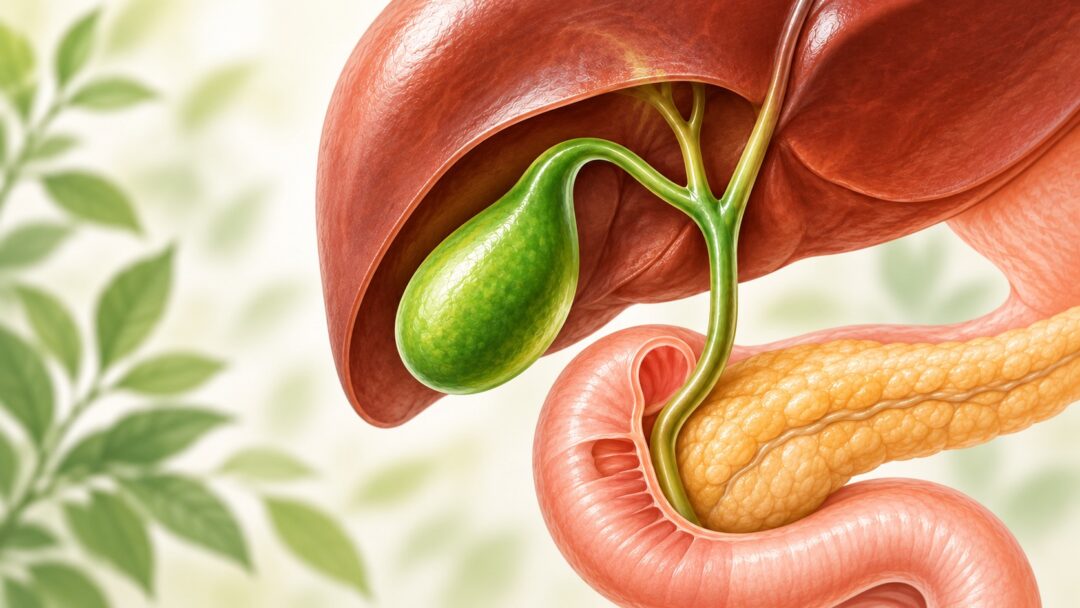
The gallbladder is often treated by mainstream medicine as a disposable organ—easily removed at the first sign of gallstones or inflammation.
However, your gallbladder plays a crucial role in overall digestion, lipid metabolism, and cardiovascular protection.
Understanding how this organ works and how to support it naturally is vital for long-term health: just tell me what to do.
Bile Function and Risks After Gallbladder Removal
Your liver constantly produces bile, a golden-green fluid that acts like natural dish detergent to emulsify and break down dietary fats into absorbable fatty acids.
The gallbladder serves as the reservoir that stores, concentrates, and releases bile when you consume a meal containing fats.
Without adequate bile flow, your body cannot properly digest and absorb essential fatty acids, fat-soluble vitamins (A, D, E, and K), or beneficial dietary fats like extra virgin olive oil, wild-caught fish, and animal proteins.
If you have already had your gallbladder removed (cholecystectomy), your liver still produces bile, but you no longer have a reservoir to release concentrated bursts during meals.
As a result, dietary fats pass through the digestive tract poorly emulsified.
Over time, unabsorbed fats and improper lipid metabolism can contribute to vascular congestion, elevating your long-term risk of arterial plaque, heart complications, and stroke.
For individuals without a gallbladder, supplementing with bovine bile (ox bile) at mealtime is essential to restore proper fat digestion.
What Stagnates Bile: Fructose, Alcohol & Meds
What compromises the gallbladder in the first place?
Excessive pharmaceutical medications, frequent alcohol consumption, recreational substances, toxic environmental burden, and overconsuming excessive fruit/fructose all cause bile to become thick, sluggish, and stagnant, eventually forming stones.
The ABCs of Bile Flow: Apples, Beets, and Carrots
To restore liver and gallbladder function and thin sluggish bile naturally, incorporate three functional foods into your daily routine: half a fresh red apple daily (rich in pectin to thin bile), fresh organic beets (betaine to stimulate bile flow), and a medium fresh carrot (fiber to bind waste products).
By eliminating liver stressors and incorporating apples, beets, and carrots, you can safeguard your gallbladder and optimize fat metabolism.