
Mold Testing Guide
Our Personal Mold Story: Your Guide to Mold Exposure Testing
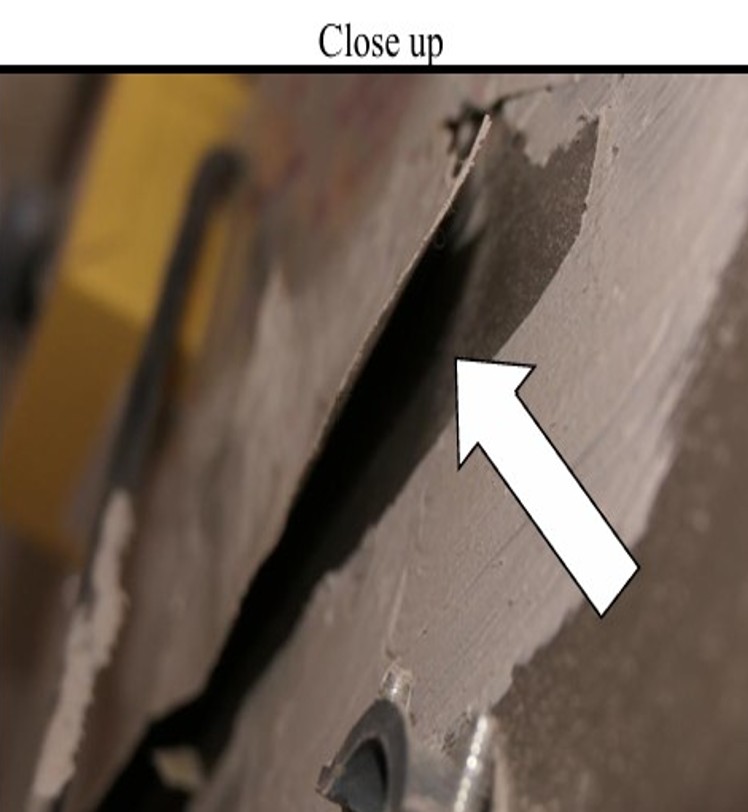
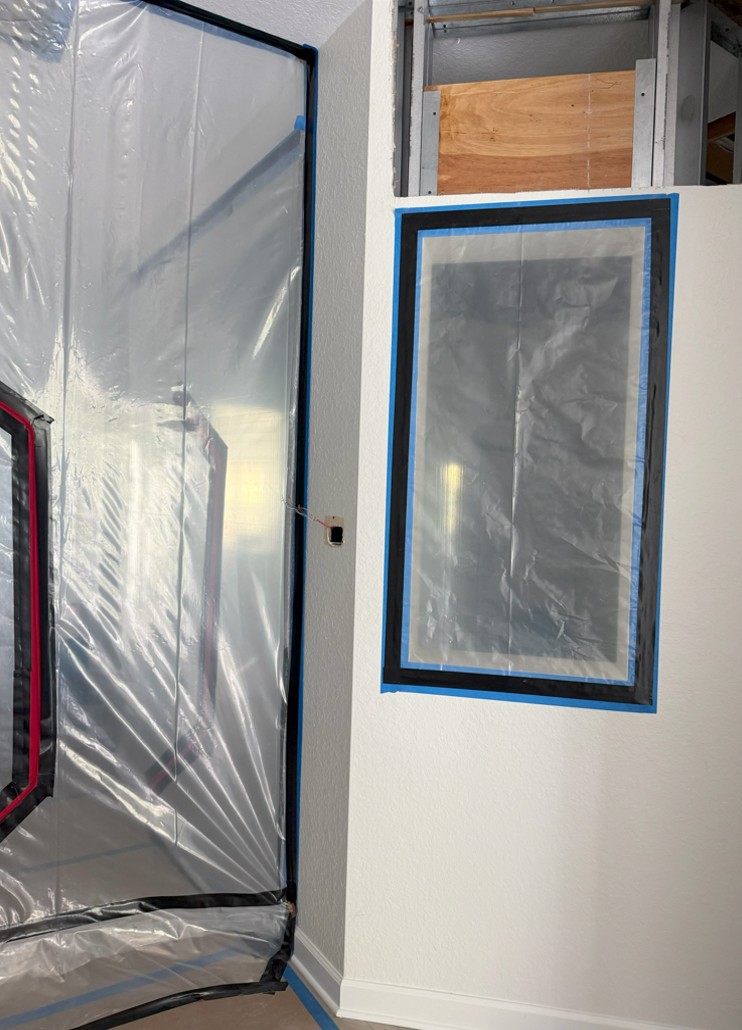
Many of you know that Debbie and I recently went through an unexpected experience after purchasing our condominium in Florida. What initially appeared to be a minor HVAC concern ultimately required extensive environmental investigation and professional remediation.
The purpose of this message is education—not fear. Early awareness may help protect health and avoid remediation expenses that can reach tens of thousands of dollars.
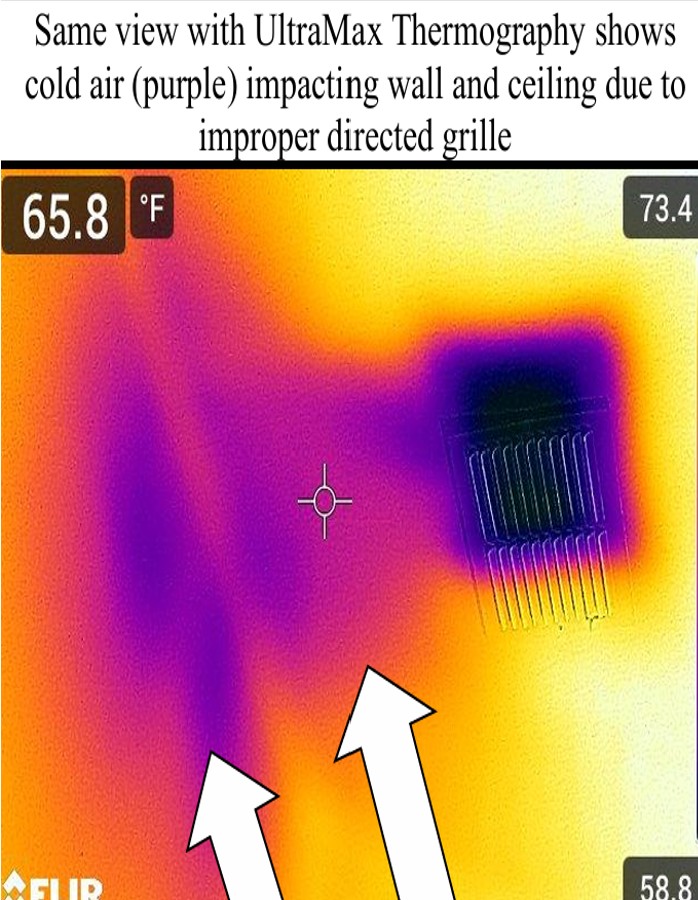
Pictures of OUR EXPERIENCE
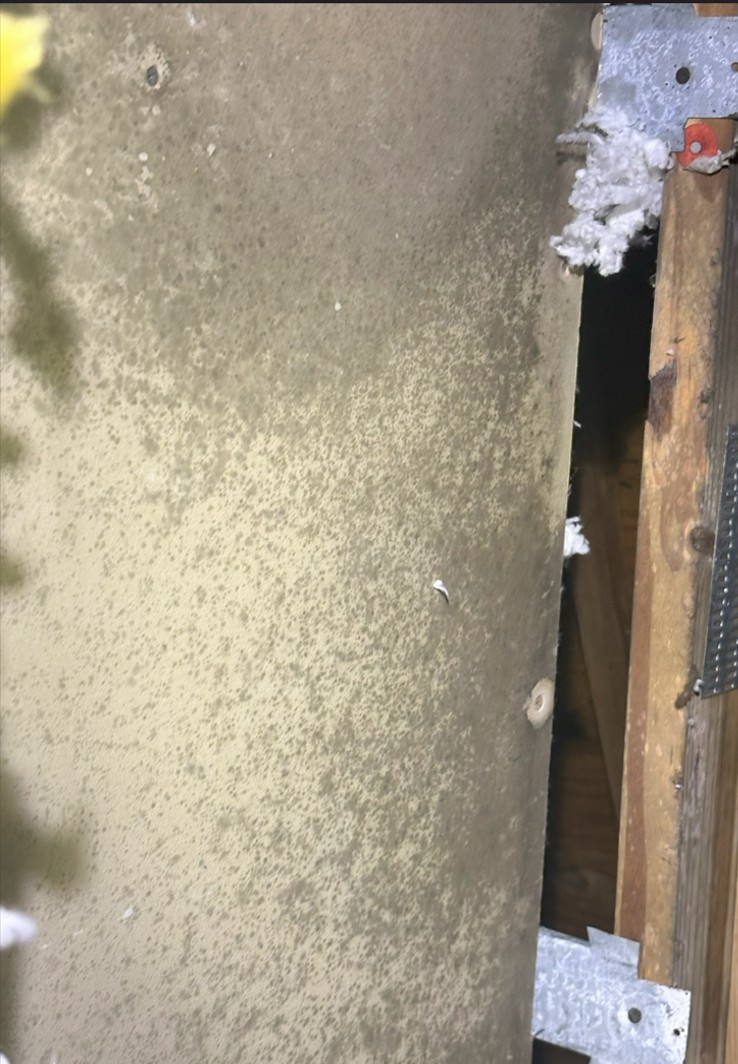
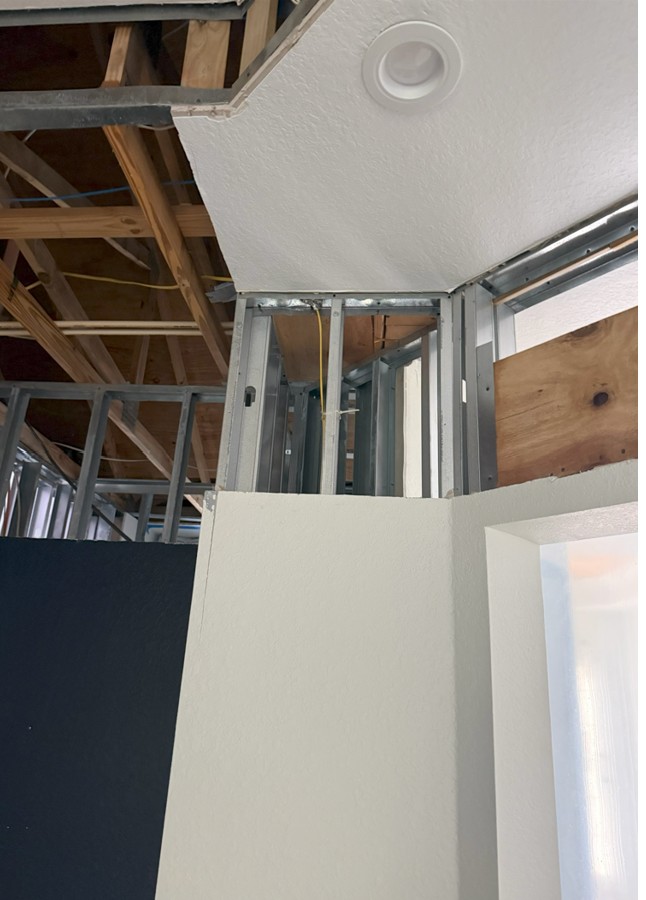
What We Learned
- Water intrusion and excess humidity often occur long before visible damage appears.
- Small HVAC air leaks can create condensation inside walls and ceilings.
- Hidden moisture may exist even when a home appears clean.
- Environmental problems often develop slowly.
- Early investigation is usually much less expensive than major remediation.
Pay Attention to Your Body
- Brain fog
- Fatigue
- Recurring headaches
- Chronic sinus congestion
- Respiratory irritation
- Sleep disturbances
- Difficulty concentrating
- Symptoms that improve when away from home
Questions To Ask Your Air Conditioning Company
☐ Did you inspect the evaporator coil?
☐ Is static pressure within specifications?
☐ Did you inspect the drain pan?
☐ What is my supply air temperature?
☐ Is the condensate drain completely clear?
☐ What is my return air temperature?
☐ Did you inspect inside the supply plenum?
☐ What is the temperature split?
☐ Are all plenum seams properly sealed?
☐ Is indoor humidity acceptable?
☐ Did you inspect the return plenum?
☐ Are there signs of condensation?
☐ Is conditioned air leaking anywhere?
☐ Should any insulation be replaced?
☐ Did you perform a duct leakage evaluation?
☐ Should duct cleaning be considered?
☐ Is the blower wheel clean?
☐ Is my ductwork intact?
☐ Did you inspect the air filter housing for leakage?
☐ Did you inspect for disconnected ducts?
☐ Are all registers delivering proper airflow?
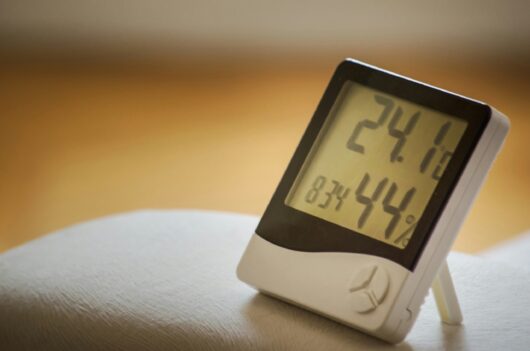
Hygrometer: Monitor Indoor Humidity
Ideal range: 45%–55%
High humidity can lead to condensation, musty odors, dust mites & reduced comfort.
Place one in the main living area and bedrooms.
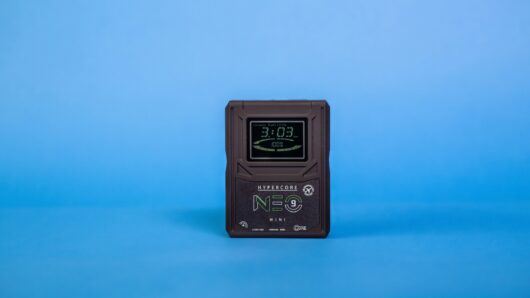
Moisture Meter: Check for Hidden Moisture
Detects moisture in drywall, wood, baseboards, cabinets & more.
Helpful after leaks, storms, hurricane damage or plumbing issues.
Identifies moisture — not mold.
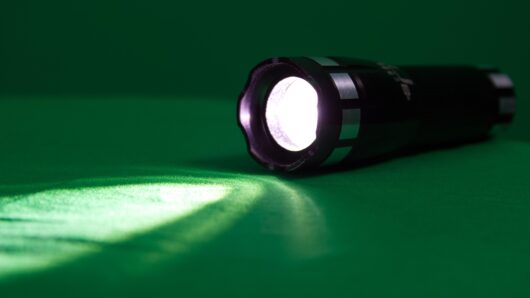
Bright LED Flashlight: See What’s Hiding in Plain Sight
Inspect vents, return grilles, air handler, drain pan, attic, crawl spaces & more.
Look for dust buildup, water staining, rust, damaged insulation & mold.

Infrared Thermography: See What You Can’t See
Identifies surface temperature differences.
Helps detect air leaks, insulation issues, water intrusion patterns, duct & window leaks.
Does not diagnose mold or water damage.
When to Consider a Consultation: Two Unique Tests
If symptoms persist despite previous evaluations, or your home has experienced water intrusion, flooding, persistent humidity, or musty odors, consider scheduling a wellness consultation. Depending on your history, urine mycotoxin laboratory testing may be appropriate.
Test One: EnviroBiomics ERMI (Environmental Relative Moldiness Index)
The EnviroBiomics ERMI (Environmental Relative Moldiness Index) test provides a comprehensive, objective assessment of indoor mold contamination using advanced DNA analysis. Key benefits include:
- DNA-Level Precision: Uses MSQPCR (mold-specific quantitative PCR) to detect and quantify 36 specific mold species. Unlike traditional spore trap or culture testing, it identifies non-viable or fragmented mold particles that still pose health and air-quality concerns.
- Targeted Risk Profiling: Distinguishes between 26 water-damage indicator molds (Group I) and 10 common indoor background molds (Group II), yielding a single standardized ERMI score that benchmarks a home’s relative mold burden against national EPA research data.
- Dual Reporting: Automatically includes HERTSMI-2 scoring, a simplified index focused on the five most hazardous mold species commonly monitored by healthcare providers treating Chronic Inflammatory Response Syndrome (CIRS).
- Flexible Sampling Options: Accommodates different flooring setups by offering both Swiffer cloth kits (ideal for hard surfaces) and vacuum filter kits (for carpets).
- Fast, Scalable Turnaround: Enables rapid decision-making during home inspections or remediation planning, offering turnaround times ranging from same-day processing to five business days through an ISO/IEC 17025 accredited laboratory.
Please complete your purchase of this test the same day they click your link. We will be notified of your purchase, and then set up a consultation to review your findings.
Test Two: Mycotoxin Panel
The RealTime Labs Mycotoxin Panel evaluates internal mold toxin burden to help identify whether toxic exposure underlies chronic, unexplained health issues. Key benefits include:
- Targeted Detection of 16 Mycotoxins: Screens for major toxic compounds produced by common indoor molds (such as Aspergillus, Penicillium, Fusarium, and Candida), including 9 dangerous macrocyclic trichothecenes linked to Stachybotrys (“black mold”).
- High-Sensitivity Technology: Employs competitive ELISA testing, reporting concentrations in parts per billion (ppb). By avoiding creatinine normalization—which can vary with hydration or muscle mass—it delivers straightforward, reliable clinical measurements.
- Non-Invasive, At-Home Collection: Requires only a simple urine sample, avoiding invasive blood draws while detecting systemic mold metabolites standard laboratory tests routinely miss.
- Clinical Insight for Unexplained Symptoms: Pinpoints specific bio-toxins associated with chronic fatigue, brain fog, respiratory distress, and immune dysfunction to guide targeted detoxification or medical protocols.
- Accredited Quality and Accessibility: Processed by a CAP-accredited, CLIA-certified laboratory with results provided in 7–10 business days. It has no age restrictions and is eligible for HSA/FSA reimbursement, with potential insurance or Medicare coverage when ordered by a qualified physician.
We will be notified of your purchase, and then set up a consultation to review your findings.
Which Test Is Best for Me?
While both tests address mold-related concerns, they assess completely different sides of the problem: the EnviroBiomics ERMI tests your physical environment, while the RealTime Labs Mycotoxin Panel tests your personal biological burden.
Here is a 5-step side-by-side comparison to help determine which test fits your current needs.
Step 1: Target Focus (The “Where” vs. “Who”)
Tests your building. It measures the presence and accumulation of mold species living in your home, office, or school. | RealTime Labs Mycotoxin Panel: Tests your body. It evaluates whether your system is actively harboring and excreting chemical mold poisons (mycotoxins). |
Takeaway: If you want to know “Is my building contaminated?”, choose ERMI. If you want to know “Have I absorbed mold toxins that are making me sick?”, choose the Mycotoxin Panel.
Step 2: Sample Type & Collection Process
Utilizes an environmental dust collection method. You collect settled dust from representative living spaces using either a Swiffer cloth (for hard flooring) or a vacuum trap kit (for carpets). | RealTime Labs Mycotoxin Panel: Utilizes a non-invasive first-morning urine sample collected at home using a specimen cup and vial. |
Takeaway: ERMI requires sampling your physical living surfaces; the Mycotoxin Panel is a standard clinical urine test.
Step 3: Scientific Methodology & What Is Actually Measured
Attribute | ||
Technology | MSQPCR (Mold-Specific Quantitative PCR) | Competitive ELISA (Enzyme-Linked Immunosorbent Assay) |
Analyte | Mold organism DNA | Chemical byproducts/toxins (Mycotoxins) |
Targets | 36 mold species (26 water-damage indicators + 10 common indoor molds) | 16 clinically significant mycotoxins (including 9 trichothecenes from black mold) |
Reporting Unit | ERMI score / HERTSMI-2 numeric index | Parts per billion (ppb) concentration |
Takeaway: ERMI identifies the presence and quantity of mold genetic material (living or dead), whereas RealTime Labs measures the concentration of poisonous metabolites excreted by your kidneys.
Step 4: Primary Use Case & Actionable Next Steps
| RealTime Labs Mycotoxin Panel:
|
Summary Recommendation
- Choose the ERMI Test if: You suspect hidden leaks, smell mustiness, are evaluating a new home, or need to verify whether a past mold remediation was successful.
- Choose the Mycotoxin Panel if: You are experiencing unexplained fatigue, sinus problems, neurological symptoms, or autoimmune flare-ups, and you need clinical proof of toxicity to begin a medical detox protocol.
- Use Both in Tandem if: You are working with a functional medicine or CIRS practitioner. Testing the body shows what is inside you, while testing the building confirms whether your daily environment is the continuing source of exposure.
Final Thought
After nearly five decades in practice, this experience reinforced one important truth: your home is one of the most important determinants of your health. Awareness is the first step.