
Practical and Natural Ways to Lower High Blood Pressure
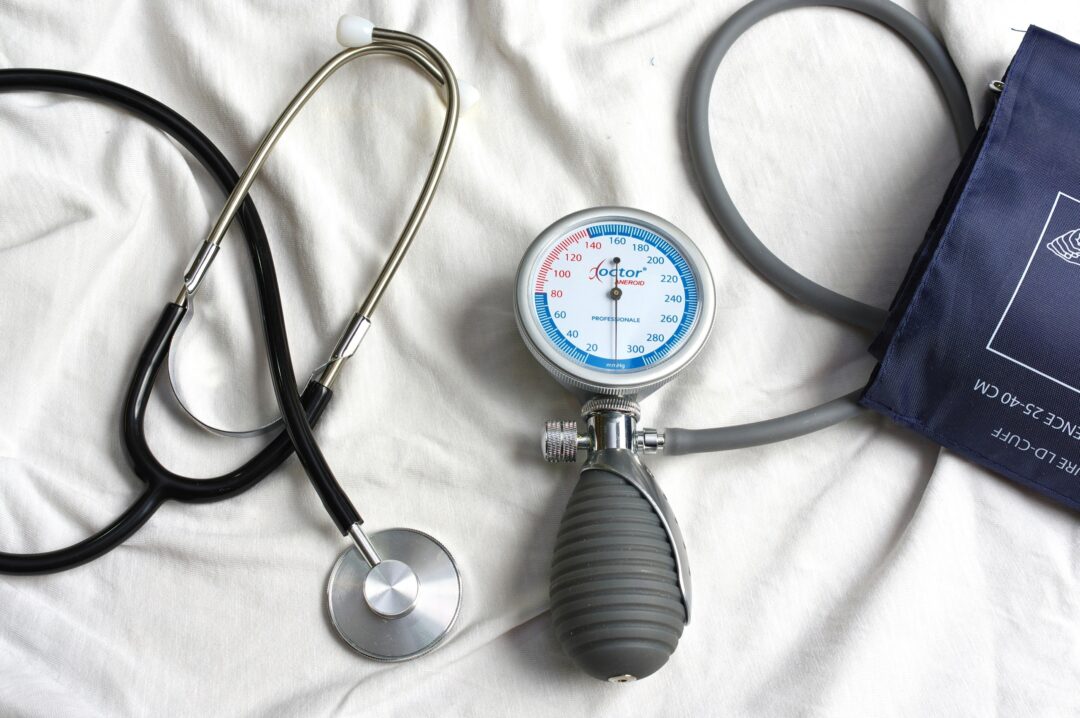
High blood pressure, or hypertension, is often labeled the ‘silent killer’ because it can quietly strain your cardiovascular system for years without obvious symptoms.
In conventional medicine, the immediate response is almost universally a lifetime prescription of antihypertensive drugs.
While managing acute crises is critical, many individuals simply want practical, drugless solutions to help their body regulate pressure naturally: just tell me what to do.
Chronic Stress & The Vagus Nerve
Through decades of clinical practice, we have observed that one of the single greatest contributors to elevated blood pressure is chronic sympathetic nervous system dominance—in simple terms, prolonged stress.
The sympathetic nervous system acts as your body’s accelerator pedal, increasing your heart rate and constricting blood vessels during fight-or-flight moments.
Whether your stressors stem from work demands, family dynamics, financial pressures, or daily commutes, living in constant stress keeps blood pressure elevated.
To counteract this, you can actively stimulate your parasympathetic nervous system—the brake pedal—via the vagus nerve.
A powerful, immediate exercise is simple: humming or whistling.
Performing regular vocal toning, deep diaphragmatic breathing, humming, or whistling stimulates vagal tone, signaling your blood vessels to relax and slowing your heart rate naturally.
Sodium, Water, and Mineral Balance
Dietary habits represent another major pillar of blood pressure control.
Modern convenience foods and restaurant dining flood the body with excessive amounts of refined sodium while severely lacking potassium and magnesium.
This severe mineral imbalance forces the kidneys and vascular system to hold onto excess fluid, driving up arterial pressure.
To remedy this, eliminate processed foods, step away from the salt shaker, and dramatically increase your intake of fresh vegetables and hydrating whole foods.
Staying properly hydrated with water ensures that blood volume and viscosity remain balanced.
Weight Management and Daily Cardio
Body weight and physical movement also directly dictate cardiovascular workload.
For every extra pound of excess body fat, your vascular network must build miles of additional micro-vessels, forcing your heart to pump harder with every beat.
Regular, moderate daily exercise—such as brisk walking or cycling 10 to 15 miles a day—strengthens the myocardium, improves arterial elasticity, and helps shed excess weight.
By combining daily vagus nerve activation, cutting out processed sodium and refined sugars, hydrating properly, and prioritizing consistent aerobic movement, you take proactive, natural control over your blood pressure and cardiovascular vitality.