
Why Do My Feet Tingle, Burn, or Feel Different?
The Drugless Doctors Approach to Tingling Feet, Circulation Dysfunction & Peripheral Neuropathy

Introduction
Tingling feet are often associated with irritation involving circulation, sensory nerves, oxygen delivery, inflammation, glucose instability, or altered nerve signaling physiology.
Many individuals notice tingling, burning, numbness, cold feet, altered sensation, or balance instability long before severe neuropathy develops.
The earlier these changes are identified, the greater the opportunity for supportive intervention and recovery physiology.
Common Causes of Tingling Feet
Potential contributors may include:
• glucose instability
• diabetes
• poor circulation
• nitric oxide depletion
• B12 deficiency
• chemotherapy
• spinal stress
• inflammatory overload
• toxicity
• mitochondrial dysfunction
• obesity
• metabolic syndrome
• chronic inflammation
How We Evaluate Tingling Feet in the Office
The evaluation process focuses on identifying sensory dysfunction, circulation abnormalities, inflammatory stress patterns, and altered nerve signaling physiology.
The evaluation may include:
• thermographic circulation imaging
• nitric oxide testing
• gait evaluation
• balance testing
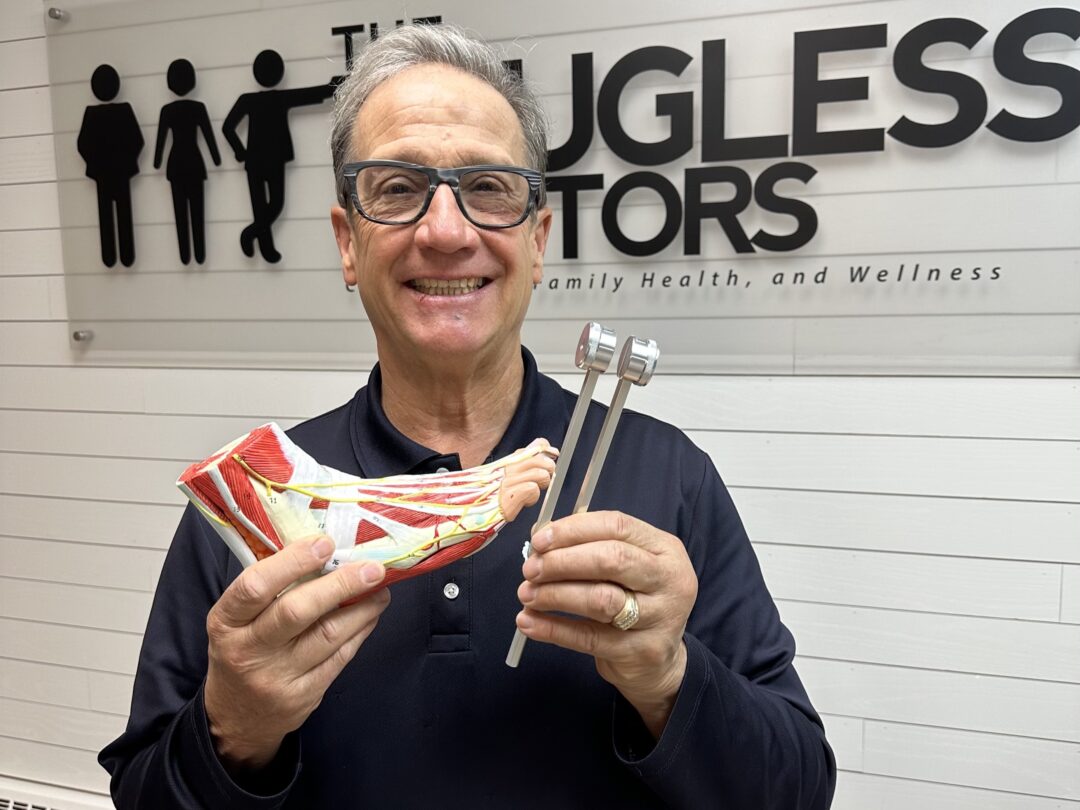
• vibration testing
• pinwheel sensory evaluation
• hot and cold sensory testing
• monofilament testing
• circulation assessment
• body signal observations
We also pay close attention to how the patient walks into the office.
In many patients with altered sensation or balance instability, we observe that they frequently look downward toward their feet while walking. This may represent visual compensation for reduced proprioception, sensory loss, instability, or altered balance physiology.
We also observe footwear patterns carefully. Many patients experiencing tingling, numbness, burning, or balance instability tend to wear more secure footwear rather than loose-fitting shoes, sandals, or flip-flops. This may reflect subconscious compensation for altered sensation, instability, or reduced confidence involving balance and foot placement.
These observational findings often provide important clues regarding neurologic stability, sensory function, circulation, and proprioceptive awareness.
Sensory Evaluation & Circulation Response
As part of the neuropathy evaluation, we may utilize several sensory assessment procedures designed to evaluate circulation, nerve sensitivity, temperature perception, and sensory response patterns.
These assessments may include:
• thermographic circulation imaging
• nitric oxide testing
• gait observation
• temperature sensitivity evaluation
• vibration or pinwheel sensory assessment
• circulation response patterns
• sensory stimulation mitt evaluation
As part of the neuropathy evaluation, we assess circulation patterns, sensory response, temperature perception, and neurologic stability using several supportive observational and sensory procedures.
One of the more interesting findings observed in some tingling feet patients involves altered temperature perception. Patients experiencing tingling, burning, or irritated nerve symptoms may perceive a burning or heated sensation when cool or cold stimulation is applied to the feet.
This altered sensory response may suggest abnormal nerve signaling, irritated sensory tissue, circulation dysfunction, or altered neurologic processing involving the peripheral nerves.
Conversely, some individuals are still able to clearly recognize warmth when gentle heat is applied during portions of the sensory evaluation process. These observations may provide important clues regarding sensory nerve integrity, circulation patterns, and nerve hypersensitivity physiology.
We also incorporate sensory stimulation mitts connected to one of the supportive modalities utilized in the practice. The intensity is gradually increased while the mitts are applied to the hands or feet.
Patients with more advanced sensory dysfunction may demonstrate reduced perception of the stimulation. With patient permission, the mitts may briefly be applied to an area of more normal sensation, such as the face, allowing comparison between normal and altered sensory response patterns.
Many patients are surprised by the degree of sensory change demonstrated during the evaluation.
Patients with more advanced sensory dysfunction may demonstrate reduced perception of the stimulation. With patient permission, the mitts may briefly be applied to an area of more normal sensation, such as the face, allowing comparison between normal and altered sensory response patterns.
Many patients are surprised by the degree of sensory change demonstrated during the evaluation.
How Tingling Feet May Relate to Circulation
Nerves depend heavily upon oxygen delivery and microcirculation.
When circulation becomes impaired:
• nerves may become irritated
• burning sensations may increase
• tingling may worsen
• healing may slow
• balance instability may develop
• sensory perception may change
Reduced nitric oxide physiology and impaired microcirculation may contribute significantly to these symptoms.
The Drugless Doctors Three-Tier Supportive Strategy
The supportive strategy utilized in the practice focuses on:
• biochemical support
• biovascular circulation support
• biostructural stabilization
The objective is supporting circulation, nitric oxide physiology, tissue oxygenation, mitochondrial activity, metabolic stability, and nerve recovery physiology.
One of the foundational supportive modalities utilized in the practice is FDA-cleared photobiomodulation therapy designed to support circulation and microcirculation involving sensory tissues.
When Further Evaluation May Be Appropriate
If you are experiencing:
• tingling feet
• burning sensations
• cold feet
• numbness
• balance instability
• delayed healing
• altered temperature sensitivity
• circulation changes
• sensory decline
These findings may suggest circulation dysfunction, nerve irritation, inflammatory stress, glucose instability, impaired oxygen delivery, or altered sensory nerve physiology.
A comprehensive neuropathy and circulation evaluation may help identify the physiologic stress patterns contributing to nerve irritation and altered sensation.
The earlier these patterns are identified and supported, the greater the opportunity for improved circulation, sensory stability, tissue oxygenation, and recovery physiology.
Patient Summary
Tingling feet may represent more than simply irritated nerves.
In many individuals, these symptoms may reflect circulation dysfunction, impaired oxygen delivery, inflammation, altered nerve signaling, glucose instability, nitric oxide depletion, or sensory nerve stress.
The earlier these physiologic patterns are identified and supported, the greater the potential for improved circulation, sensory stability, tissue oxygenation, and recovery physiology.
References
- Callaghan BC, Cheng HT, Stables CL, Smith AL, Feldman EL. Diabetic neuropathy. Lancet Neurol. 2012.
- Pop-Busui R, et al. Diabetes Care. 2017.
- Ignarro LJ. Proc Natl Acad Sci USA. 1992.
- Bryan NS, Loscalzo J. Nitric Oxide and the Cardiovascular System.
- Hamblin MR. Mechanisms and applications of photobiomodulation. AIMS Biophys. 2017.
- National Institute of Neurological Disorders and Stroke (NINDS). Peripheral Neuropathy Fact Sheet.
- Mayo Clinic Staff. Peripheral neuropathy symptoms and causes.
- McGee S. Evidence-Based Physical Diagnosis.
Schedule Your Neuropathy Appointment
Schedule an evaluation to see if neuropathy will work for you.