
Can Lumbar Spinal Stenosis & Structural Stress Worsen Peripheral Neuropathy?
The Drugless Doctors Approach to Lumbar Stenosis, Circulation Dysfunction, Posture & Nerve Irritation
Introduction
Peripheral neuropathy is often associated with circulation problems, glucose instability, mitochondrial stress, inflammation, toxicity, and nutritional deficiencies. However, spinal function and structural stress may also significantly complicate neuropathy symptoms.
While spinal stenosis, spinal degeneration, altered posture, or lumbar instability are not always the primary cause of peripheral neuropathy, they may become major contributing factors that worsen pain, sensory loss, balance instability, circulation patterns, and nerve irritation.
How Lumbar Stenosis May Worsen Neuropathy
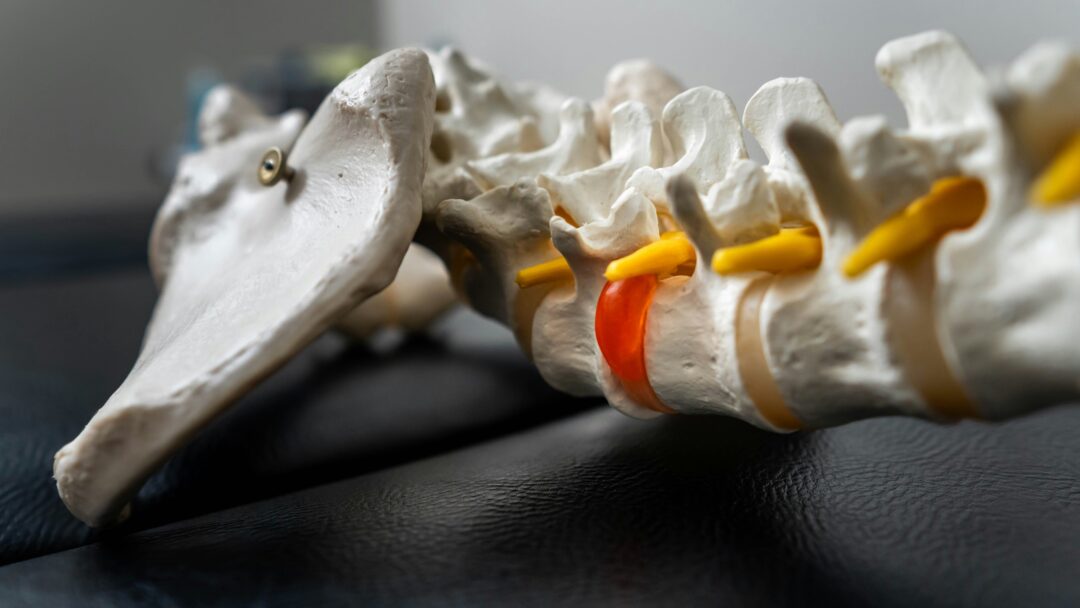
Lumbar spinal stenosis refers to narrowing involving the spinal canal or nerve exit pathways in the lower back.
When narrowing develops, pressure and irritation may affect spinal nerves, circulation to nerve tissue, sensory signaling, muscle function, and balance physiology.
Patients with lumbar stenosis may experience burning feet, tingling, numbness, chronic leg pain, weakness, heaviness in the legs, difficulty walking, pain with standing, and relief when sitting or bending forward.
In many individuals, spinal stenosis may compound existing neuropathy physiology by further impairing nerve communication and circulation.
Posture, Spinal Function & Nerve Stress
Loss of the normal cervical curve, forward head posture, thoracic rigidity, pelvic imbalance, and lumbar instability may contribute to altered nerve signaling, impaired circulation, autonomic nervous system stress, reduced oxygen delivery, and balance instability.
Poor posture may also increase mechanical stress involving the spine and nervous system, potentially compounding neuropathy-related symptoms.
How We Evaluate This in the Office
Our evaluation may include gait analysis, posture evaluation, balance testing, nitric oxide physiology, thermographic circulation imaging, sensory evaluation, inflammatory observations, spinal assessment, and review of prior imaging or surgical history.
Standing postural films involving the lumbar spine and pelvis, along with motion films of the cervical spine, may provide important insight into structural stress patterns.
If there is a reversal of the normal cervical curve (which is normally a gentle “C” shape), spinal cord stress and altered neurologic signaling may occur, potentially affecting both motor and sensory nerve transmission.
Dr. Bob utilizes his postgraduate training, including a Fellowship training in Applied Spinal Biomechanical Engineering.
Depending on the imaging findings, it may occasionally become appropriate to incorporate a simple cervical traction support device used for approximately 15 minutes daily to help support restoration of the cervical curve.
Thermographic imaging may demonstrate cooler circulation patterns involving the feet and legs, while nitric oxide testing may help evaluate oxygen delivery physiology.
The Drugless Doctors Supportive Approach
Our goal is not simply symptom masking.
The objective is supporting circulation, nitric oxide physiology, mitochondrial activity, tissue oxygenation, inflammatory balance, structural stability, and recovery physiology.
Supportive strategies may include nutritional stabilization, circulation support, nitric oxide support, posture evaluation, gait assessment, FDA-cleared photobiomodulation therapy, and supportive home recovery strategies.
Dr. Bob also utilizes postgraduate Diplomate training in Natural Orthopedics, which may include supportive postural spinal correction techniques when clinically appropriate.
Patient Example
One patient with chronic left leg pain had undergone prior low back surgery involving spinal screws and stabilization hardware.
Despite surgery, the patient continued experiencing chronic left-sided leg pain, sensory irritation, and difficulty with prolonged activity.
Using The Drugless Doctors three-tier supportive approach focused on circulation support, nitric oxide physiology, mitochondrial support, inflammation balance, and photobiomodulation therapy, the patient demonstrated significant improvement in circulation physiology, comfort, and functional stability.
This highlights an important clinical concept: even when structural stress exists, supporting circulation, oxygen delivery, tissue recovery physiology, and mitochondrial function may still provide meaningful physiologic benefit.
Patient Summary
Peripheral neuropathy is often far more complex than simply damaged nerves.
In many individuals, neuropathy may involve overlapping stress patterns including circulation dysfunction, mitochondrial weakness, glucose instability, inflammation, structural stress, spinal degeneration, postural imbalance, impaired oxygen delivery, and reduced recovery physiology.
The earlier these physiologic stressors are identified and supported, the greater the potential for improving circulation, tissue oxygenation, stability, comfort, and overall quality of life.
References
- Genevay S, Atlas SJ. Lumbar spinal stenosis. Best Pract Res Clin Rheumatol. 2010.
- Kreiner DS, et al. Evidence-based clinical guidelines for lumbar spinal stenosis. Spine J. 2013.
- Hamblin MR. Mechanisms and applications of photobiomodulation. AIMS Biophys. 2017.
- National Institute of Neurological Disorders and Stroke (NINDS). Peripheral Neuropathy Fact Sheet.
- Mayo Clinic Staff. Peripheral neuropathy symptoms and causes.
- Bryan NS, Loscalzo J. Nitric Oxide and the Cardiovascular System.
- Ignarro LJ. Nitric oxide as a unique signaling molecule in the vascular system. Proc Natl Acad Sci USA. 1992.
Schedule Your Neuropathy Appointment
Schedule an evaluation to see if neuropathy will work for you.