
Why Do Some People Fail Gabapentin for Peripheral Neuropathy?
The Drugless Doctors Approach to Neuropathy Physiology, Circulation Dysfunction & Nerve Recovery
Introduction
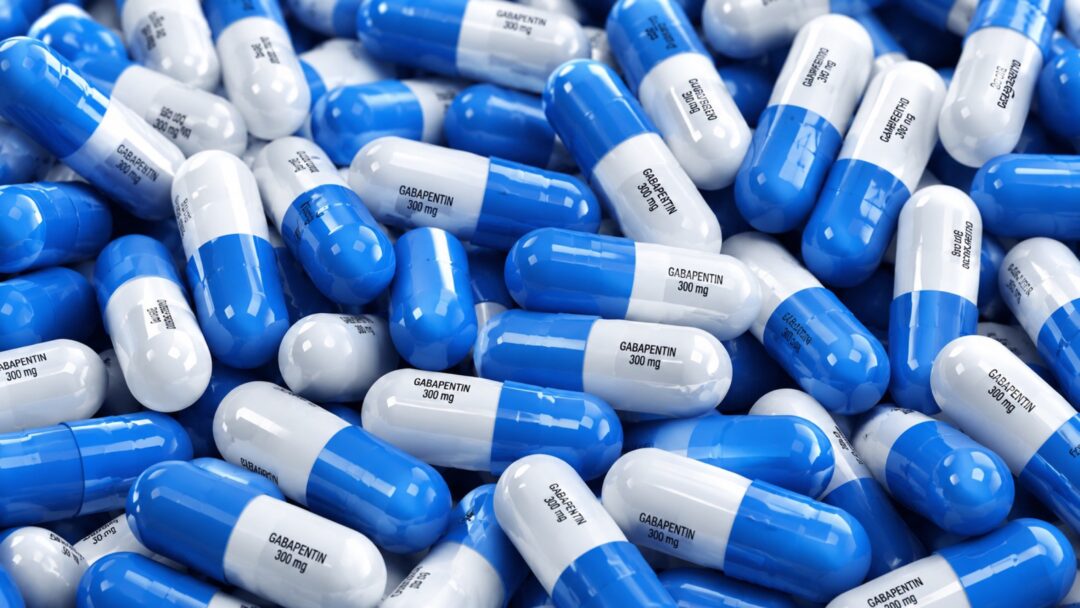
Gabapentin can be helpful for some individuals experiencing nerve pain, but many neuropathy patients continue struggling with tingling, burning, numbness, balance instability, or sensory decline despite taking the medication.
One of the major reasons this occurs is because peripheral neuropathy is often far more than simply a “pain signaling problem.”
In many individuals, neuropathy may involve impaired circulation, reduced oxygen delivery, mitochondrial dysfunction, glucose instability, inflammation, nitric oxide depletion, toxicity, B12 deficiency, or sensory nerve damage physiology.
How Gabapentin Works
Gabapentin is commonly prescribed to help reduce abnormal nerve pain signaling involving neuropathy-related symptoms.
The medication is designed to help calm irritated nerve activity and may help reduce:
• burning sensations
• tingling
• hypersensitivity
• shooting pain
• nerve discomfort
For some individuals, this may temporarily improve comfort levels or reduce nerve irritation sensations.
Why Gabapentin May Fail
Gabapentin may fail because it does not directly correct many of the underlying physiologic factors contributing to neuropathy.
The medication may help reduce nerve pain signaling, but it does not directly improve:
• circulation
• microcirculation
• nitric oxide physiology
• tissue oxygenation
• mitochondrial ATP production
• glucose instability
• inflammatory burden
• sensory loss
• balance dysfunction
• tissue recovery physiology
In many neuropathy patients, the real issue is not only nerve irritation, but impaired nerve recovery physiology involving circulation, oxygen delivery, inflammation, and metabolic stress.
If the tissue remains poorly oxygenated, inflamed, or metabolically stressed, symptoms may continue progressing despite medication use.
Why Some Patients Feel Worse on Gabapentin
Some individuals may struggle with side effects involving:
• dizziness
• fatigue
• brain fog
• memory difficulties
• poor coordination
• gait instability
• weakness
• excessive sleepiness
This becomes especially important in neuropathy patients who may already be experiencing balance instability, altered gait patterns, sensory loss, or reduced proprioception.
Other Medications Commonly Used for Neuropathy
Other medications commonly prescribed for neuropathy symptoms may include:
• Pregabalin (Lyrica)
• Duloxetine (Cymbalta)
• Amitriptyline
While these medications may help reduce discomfort in some individuals, they generally do not directly correct the underlying physiologic stress patterns contributing to neuropathy including:
• circulation dysfunction
• glucose instability
• mitochondrial fatigue
• nitric oxide depletion
• inflammatory overload
• toxicity
• B12 deficiency
• impaired tissue oxygenation
The Drugless Doctors Three-Tier Plan
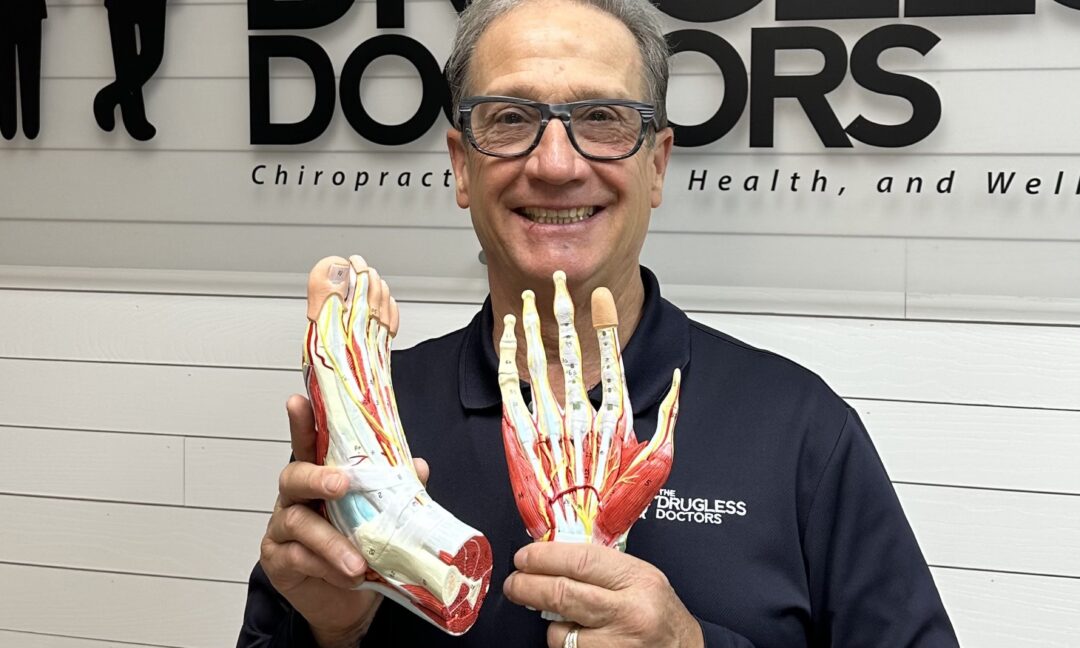
The Drugless Doctors approach focuses on supporting the underlying physiologic systems involved in nerve health, circulation, sensory recovery, and tissue repair physiology.
Tier 1 — Biochemical Support
The biochemical tier focuses on improving the internal physiologic environment surrounding the nerves.
The objective is supporting:
• glucose stability
• inflammatory balance
• mitochondrial function
• nitric oxide physiology
• antioxidant protection
• nutritional stability
• liver physiology
• digestive function
• detoxification physiology
This portion of the program may include:
• nutritional stabilization
• reducing inflammatory foods
• circulation-supportive nutrition
• mitochondrial support
• nitric oxide support
• antioxidant support
• metabolic stabilization
The goal is improving the biochemical terrain surrounding the nerves so tissue recovery physiology may improve.
Tier 2 — Biovascular Support
The biovascular tier focuses heavily on circulation, oxygen delivery, nitric oxide physiology, and microcirculation involving sensory tissues.
One of the foundational supportive modalities utilized in the practice is FDA-cleared photobiomodulation therapy using the 15-watt TheraRay device.
Photobiomodulation is designed to support:
• circulation
• nitric oxide physiology
• mitochondrial activity
• tissue oxygenation
• ATP production
• cellular energy production
• microcirculation
• recovery physiology
Improving circulation and oxygen delivery becomes especially important because nerves are highly dependent upon oxygen and nutrient delivery for repair and stability.
Tier 3 — Biostructural Support
The biostructural tier focuses on improving:
• gait stability
• balance physiology
• posture
• proprioception
• neurologic communication
• sensory awareness
• movement patterns
• supportive nerve recovery physiology
This tier may include:
• balance observations
• gait evaluation
• structural observations
• sensory stimulation support
• nerve re-education concepts
• supportive nerve recovery strategies
The objective is helping support neurologic stability, movement confidence, circulation, and sensory recovery.
Patient Summary
Gabapentin may help reduce nerve pain signaling in some individuals, but many neuropathy patients continue struggling because the underlying physiologic stress patterns remain unaddressed.
Peripheral neuropathy may involve impaired circulation, inflammation, glucose instability, mitochondrial dysfunction, nitric oxide depletion, sensory loss, toxicity, or poor tissue oxygenation.
The Drugless Doctors approach focuses on supporting circulation, tissue oxygenation, mitochondrial activity, inflammatory balance, sensory recovery, and overall nerve recovery physiology rather than simply masking symptoms.
References
- National Institute for Health and Care Excellence (NICE). Neuropathic pain in adults: pharmacological management.
- FDA Prescribing Information — Gabapentin.
- Cleveland Clinic. Gabapentin Overview and Side Effects.
- Callaghan BC, Cheng HT, Stables CL, Smith AL, Feldman EL. Diabetic neuropathy. Lancet Neurol. 2012.
- Hamblin MR. Mechanisms and applications of photobiomodulation. AIMS Biophys. 2017.
- Bryan NS, Loscalzo J. Nitric Oxide and the Cardiovascular System.
- Ignarro LJ. Nitric oxide as a unique signaling molecule in the vascular system. Proc Natl Acad Sci USA. 1992.
- Mayo Clinic Staff. Peripheral neuropathy symptoms and causes.
- National Institute of Neurological Disorders and Stroke (NINDS). Peripheral Neuropathy Fact Sheet.
Schedule Your Neuropathy Appointment
Schedule an evaluation to see if neuropathy will work for you.