
How Do Weak Mitochondria Contribute to Peripheral Neuropathy?
The Drugless Doctors Approach to Cellular Energy, Circulation, Nitric Oxide Physiology & Sensory Recovery
Introduction
Mitochondrial dysfunction is one of the most overlooked contributors to peripheral neuropathy, burning feet, fatigue, poor circulation, slow healing, and sensory decline.
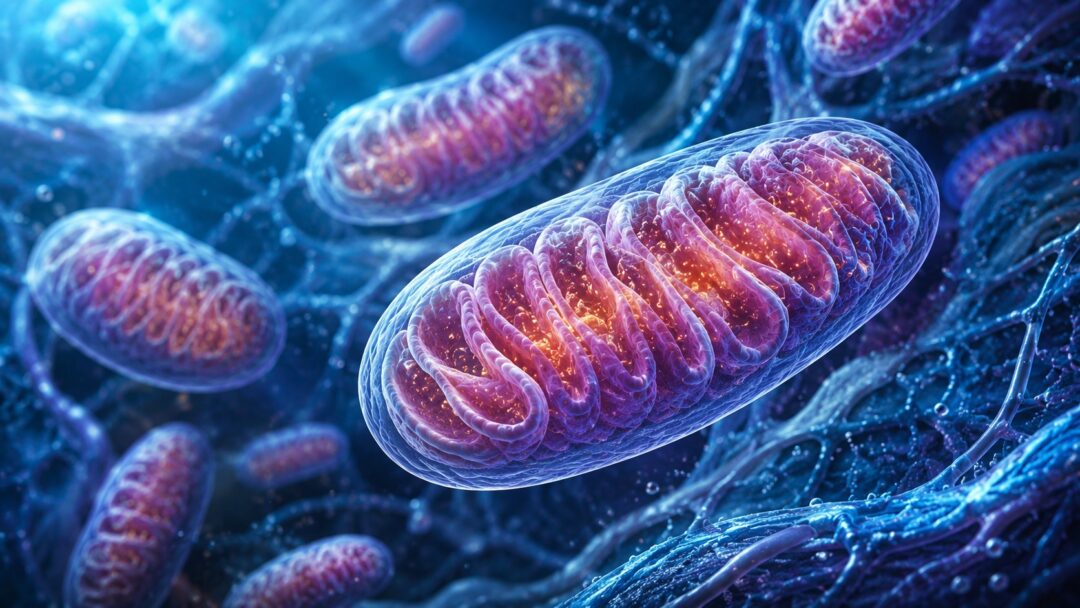
Mitochondria are often referred to as the “energy factories” of the cell because they are responsible for producing cellular energy in the form of ATP (adenosine triphosphate). Every nerve cell in the body depends heavily on mitochondrial energy production in order to maintain sensation, communication, repair, circulation, and tissue recovery.
When mitochondria become stressed, inflamed, damaged, or depleted, nerves become more vulnerable to:
• burning sensations
• tingling
• numbness
• weakness
• balance problems
• cold feet
• sensory loss
• slow healing
• fatigue
This is especially important because nerves are among the most energy-demanding tissues in the body.
One of the most overlooked concepts is that peripheral neuropathy is not always simply a nerve problem. In many cases, it may represent a cellular energy crisis involving impaired mitochondrial function, reduced oxygen delivery, inflammation, oxidative stress, and poor circulation.
Why Mitochondria Become Weakened
Mitochondria may become weakened from multiple stressors including:
• glucose instability
• diabetes
• chronic inflammation
• oxidative stress
• poor diet
• processed foods
• nutrient deficiencies
• chronic emotional stress
• sleep deprivation
• toxic exposure
• infections
• reduced circulation
• sedentary lifestyle
• obesity
• chronic cortisol elevation
• aging physiology
Glucose instability is particularly damaging because elevated blood sugar increases oxidative stress and glycation damage involving the nerves and blood vessels. Over time, reduced microcirculation may impair oxygen delivery into sensory tissue.
This becomes extremely important because the mitochondria require:
• oxygen
• nutrients
• blood flow
• nitric oxide support
• antioxidant protection
Without these factors, mitochondrial output declines and nerve recovery becomes impaired.
One of the physiologic concepts we evaluate in the office is nitric oxide physiology. Nitric oxide plays a major role in helping oxygen move into tissues and cells. Many individuals with neuropathy have impaired nitric oxide physiology and reduced microcirculation.
A pulse oximeter measures oxygen circulating in the blood. However, nitric oxide physiology helps determine how effectively oxygen is delivered into tissues and cells where the mitochondria function.
How Mitochondrial Weakness May Impact Neuropathy
When mitochondrial energy production declines:
• nerve repair slows
• inflammation increases
• oxidative stress rises
• sensory tissue becomes vulnerable
• circulation decreases
• recovery slows
• fatigue increases
• burning and tingling may worsen
This is why many neuropathy patients also experience:
• exhaustion
• weakness
• poor stamina
• exercise intolerance
• brain fog
• balance instability
• slower healing
• muscle fatigue
Body Signals Commonly Associated with Mitochondrial Exhaustion
Some of the body signals we may observe include:
• chronic fatigue
• poor stamina
• balance instability
• slow healing
• cold hands and feet
• burning feet at night
• reduced circulation patterns
• thickened toenails
• poor exercise recovery
• muscle weakness
• brain fog
• large facial pores
• inflammatory swelling
• poor stress tolerance
• gait instability
How We Evaluate Mitochondrial Stress in the Office
Our evaluation is focused on identifying physiologic stress patterns that may contribute to impaired cellular energy production and nerve stress.
The evaluation may include:
• glucose evaluation
• fasting glucose
• Hemoglobin A1C
• thermographic circulation imaging
• nitric oxide testing strips
• gait evaluation
• balance testing
• inflammatory observations
• circulation assessment
• nutritional history
• fatigue patterns
• Heart Sound Recorder evaluation
• body signal observations
One of the most visually powerful tools we utilize is thermographic imaging. Reduced circulation patterns often appear as cooler blue or purple thermal patterns involving the hands and feet.
When circulation improves, warmer yellow and orange patterns may become visible, suggesting improved tissue oxygenation and microvascular support.
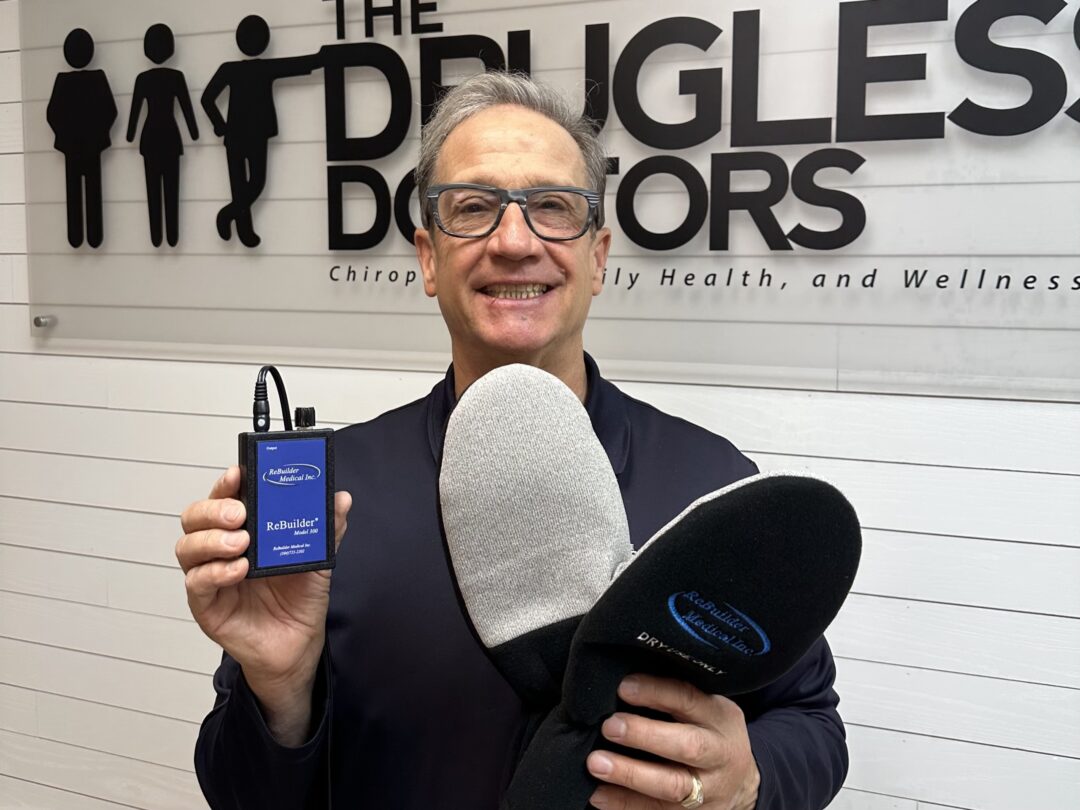
Sensory Response “Mitt” Evaluation
We also incorporate a pair of sensory stimulation mitts connected to one of the supportive modalities utilized in our treatment protocol.
The intensity is gradually increased while the mitts are applied to either the hands or feet.
Patients with more advanced sensory loss may demonstrate reduced perception of the stimulation.
With patient permission, the mitts may briefly be applied to an area of more normal sensation, such as the face, allowing the patient to compare the difference in sensory perception.
Many individuals are surprised by the degree of sensory loss present in the hands or feet once the comparison is demonstrated.
Family members accompanying the patient are often equally surprised by the degree of sensory loss demonstrated during the evaluation.
The Drugless Doctors Approach to Mitochondrial Support
Our goal is not simply symptom masking.
The objective is supporting:
• circulation
• oxygen delivery
• mitochondrial activity
• nitric oxide physiology
• tissue recovery
• metabolic stability
• inflammation balance
• sensory recovery
The Drugless Doctors Nutrition Support Approach
A supportive strategy commonly utilized in the practice may include nutritional support systems designed to help support circulation, nitric oxide physiology, antioxidant protection, inflammation balance, and mitochondrial function.
Examples may include:
• VasoPro Plus
• Greens Berry
• InflammX
• Neuro Soothe
VasoPro Plus contains ingredients designed to support nitric oxide physiology, circulation, antioxidant activity, methylation support, and mitochondrial function including L-citrulline, glutathione, magnesium glycinate, alpha-lipoic acid, B vitamins, and beet root powder.
Greens Berry provides concentrated antioxidant and phytonutrient support which may help reduce oxidative stress and support cellular physiology.
InflammX is designed to support healthy inflammatory response pathways and may help reduce inflammatory stress physiology.
Neuro Soothe is a topical nitric oxide-supportive cream designed to support circulation and blood flow involving the hands, feet, legs, and sensory tissues.
Photobiomodulation and Mitochondria
One of the foundational supportive modalities utilized in the practice is FDA-cleared photobiomodulation therapy using the 15-watt TheraRay device.
Photobiomodulation utilizes specific light frequencies designed to support:
• mitochondrial activity
• circulation
• nitric oxide physiology
• tissue oxygenation
• ATP production
• cellular energy production
• microcirculation
• recovery physiology
The mitochondria appear to respond favorably to specific wavelengths of light because photobiomodulation may stimulate cellular energy production and improve tissue oxygenation.
This becomes especially important in neuropathy patients where circulation and oxygen delivery are often impaired.
Why Early Evaluation Matters
Peripheral neuropathy often progresses gradually over time.
Many individuals experience tingling, burning, numbness, cold feet, balance instability, or sensory decline years before severe nerve damage develops.
The earlier circulation changes, mitochondrial stress, nitric oxide depletion, and sensory loss are identified, the greater the opportunity for supportive intervention and physiologic stabilization.
Patient Summary
Peripheral neuropathy is often far more than simply damaged nerves.
In many individuals, neuropathy reflects:
• mitochondrial stress
• impaired circulation
• oxidative stress
• glucose instability
• inflammation
• reduced oxygen delivery
• poor nitric oxide physiology
• impaired tissue recovery
The earlier mitochondrial stress is identified and supported, the greater the potential for improving circulation, tissue oxygenation, sensory stability, and overall recovery physiology.
References
- Hamblin MR. Mechanisms and applications of photobiomodulation. AIMS Biophys. 2017.
• Callaghan BC, Cheng HT, Stables CL, Smith AL, Feldman EL. Diabetic neuropathy. Lancet Neurol. 2012.
• Bryan NS, Loscalzo J. Nitric Oxide and the Cardiovascular System.
• Ignarro LJ. Nitric oxide as a unique signaling molecule in the vascular system. Proc Natl Acad Sci USA. 1992.
• Oyenihi AB, et al. Mitochondrial oxidative stress in diabetes and neuropathy. Int J Mol Sci. 2015.
• Wallace DC. Mitochondria and neurodegenerative disease. Scientific American.
• National Institute of Neurological Disorders and Stroke (NINDS). Peripheral Neuropathy Fact Sheet.
• Mayo Clinic Staff. Peripheral neuropathy symptoms and causes.
Schedule Your Neuropathy Appointment
Schedule an evaluation to see if neuropathy will work for you.